
When to replace your bicycle helmet
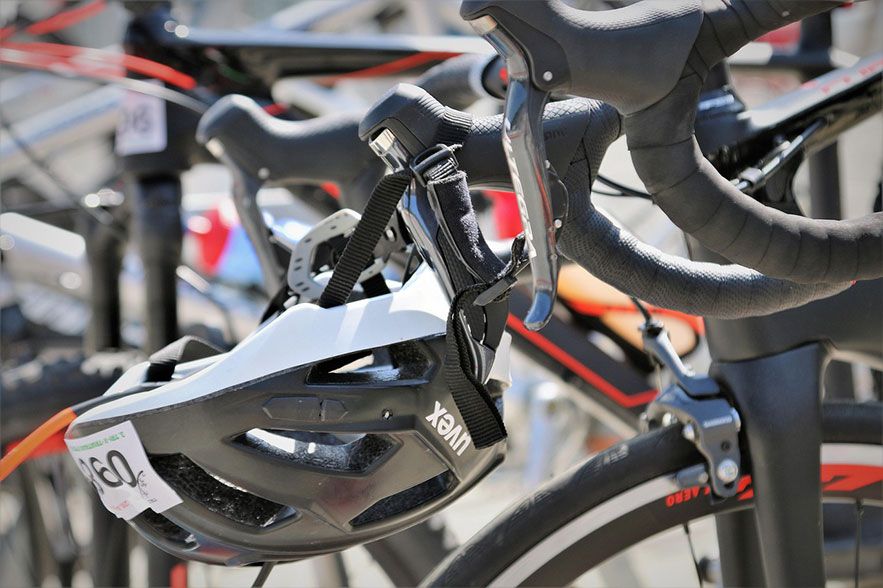
Ensuring your cycling helmet is in optimal condition is crucial for your safety. Here are key guidelines on when to replace your helmet.
- After a Crash or Impact: Even if there’s no visible damage, the internal structure of the helmet may be compromised after an impact. It’s advisable to replace your helmet following any significant crash.
- Visible Damage: Regularly inspect your helmet for cracks, dents, or other signs of wear. Damage to the foam liner or outer shell indicates it’s time for a replacement.
- Age of the Helmet: Materials like foam and adhesives degrade over time due to factors like UV exposure and sweat. Manufacturers often recommend replacing your helmet every 3 to 5 years, even if it hasn’t been involved in a crash.
- Advancements in Safety Technology: Helmet technology evolves, introducing features like MIPS (Multi-directional Impact Protection System) that enhance safety. Upgrading to a newer helmet can provide improved protection.
- Fit and Comfort: Over time, the fit systems and padding can wear out, leading to a less secure fit. A helmet should sit snugly on your head; if it becomes loose or uncomfortable, consider replacing it.
Maintenance Tips:
- Proper Care: Clean your helmet with mild soap and water. Avoid using harsh chemicals that can degrade the materials.
- Storage: Store your helmet in a cool, dry place away from direct sunlight to prevent material degradation.